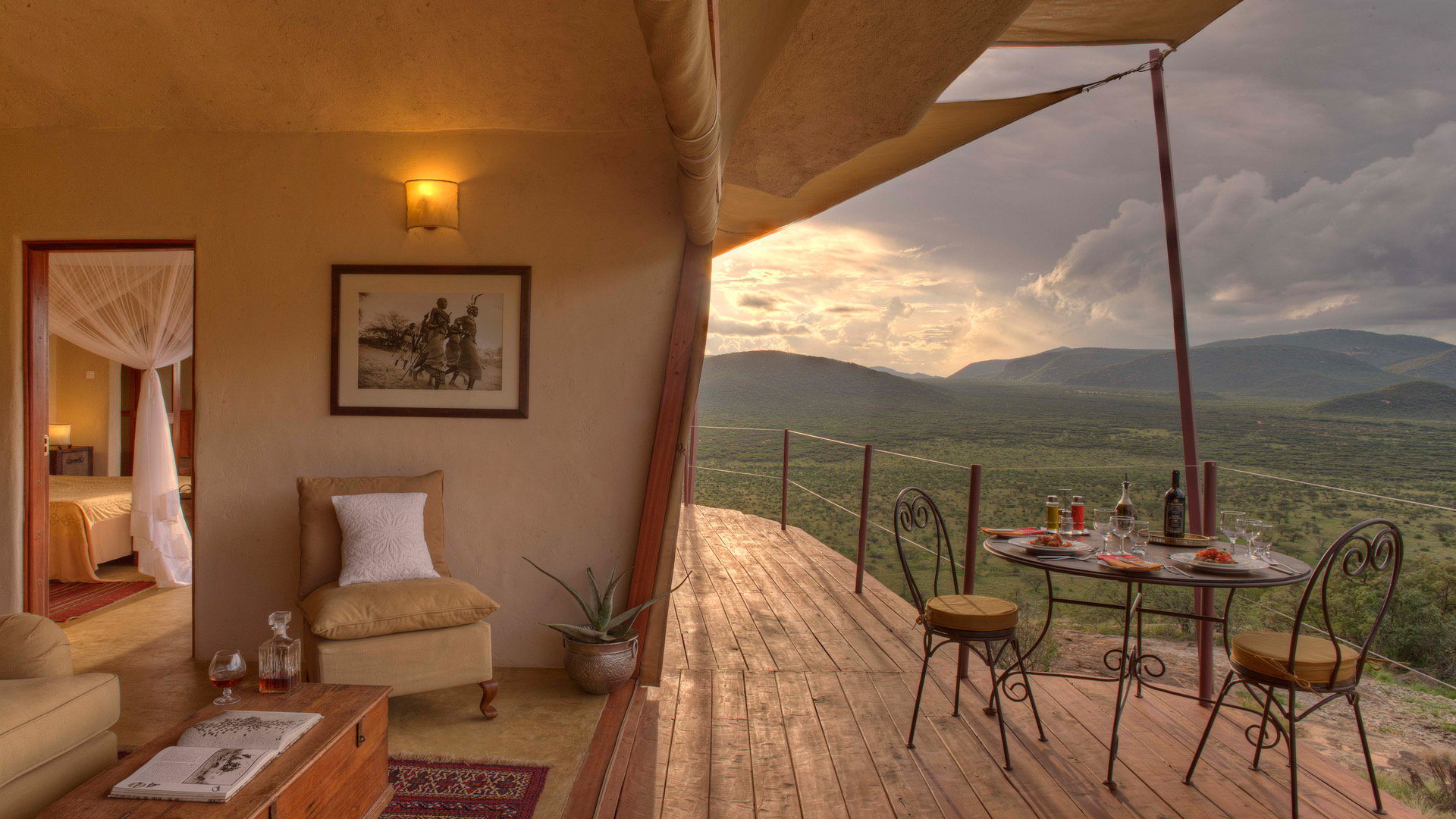
The top band
Almost all the wildlife advantages are bought by $1,800 a night
Everything above that buys time, control and hospitality. All three are real and worth money. They are not the same purchase, and conflating them is how people spend a great deal on a trip that a cheaper version would have beaten.
Examined, not admired
What the next thousand dollars a night adds
A question nobody in this industry publishes an answer to, presumably because the answer is inconvenient.
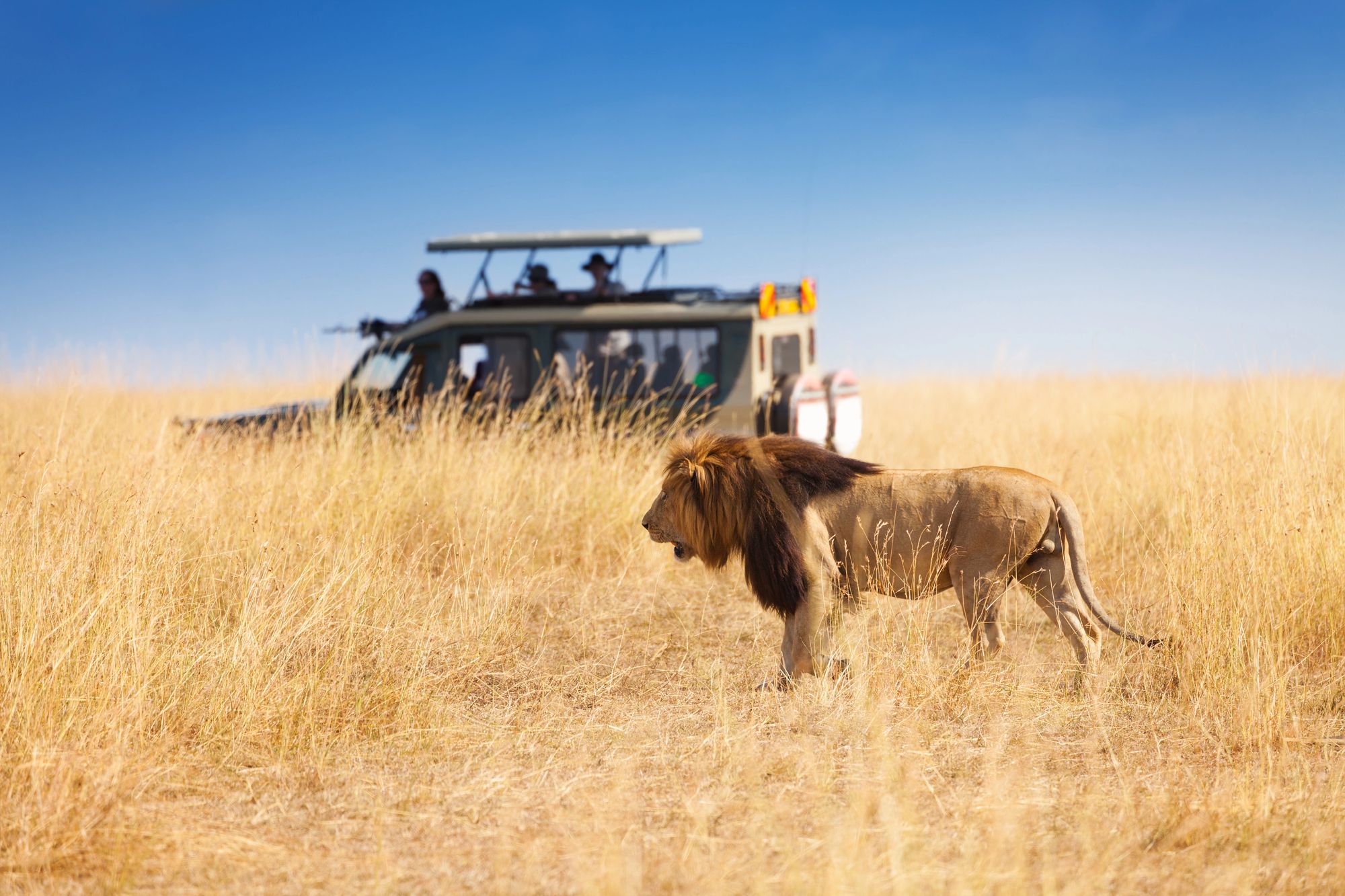
Where the curve flattens
Land, vehicle, guide and nights per camp are the four things that decide a safari. All four are in hand by about $1,800.
The four things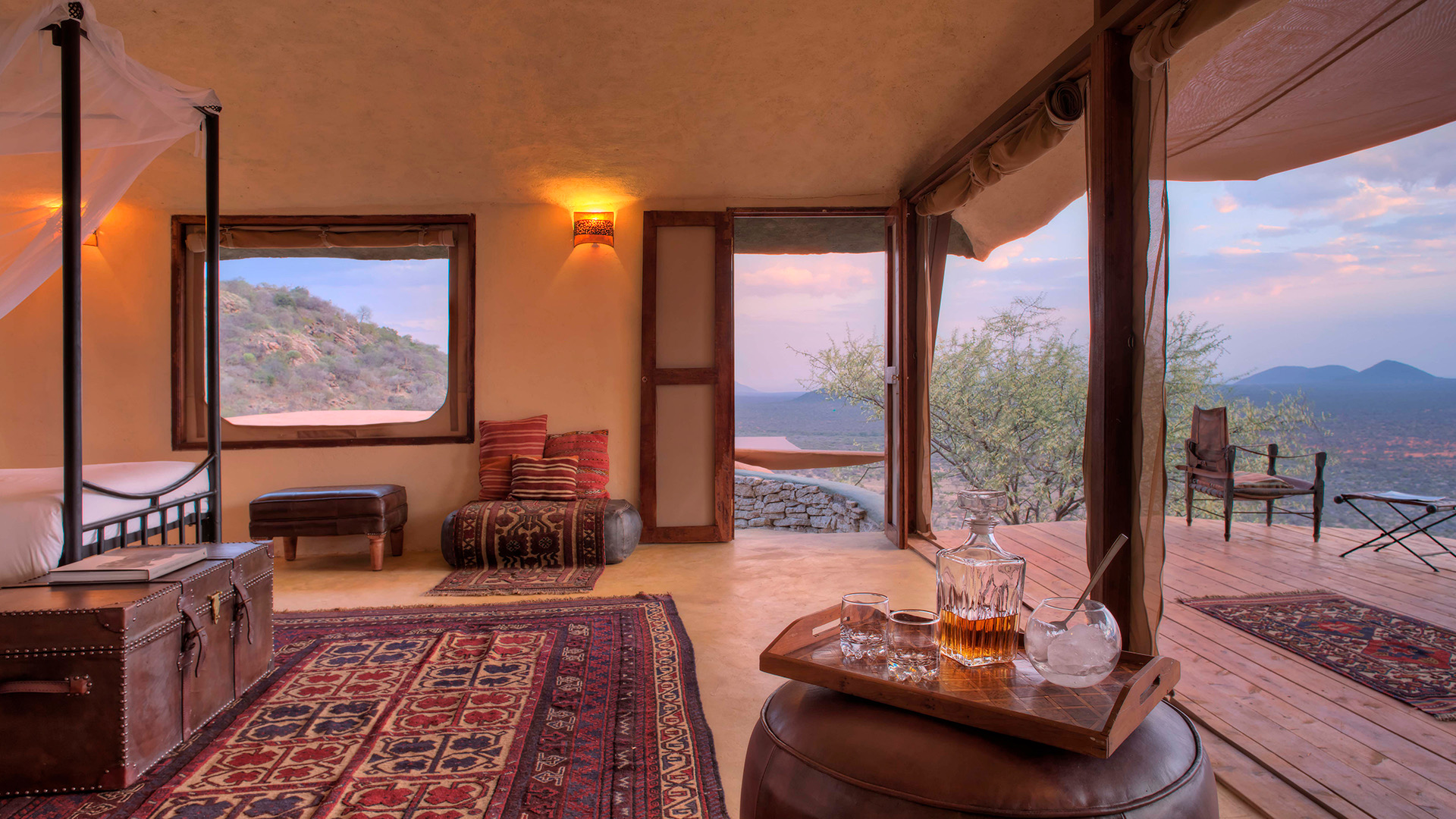
What the top band buys
Time, control, hospitality and continuity. Genuinely worth money, and only one of the four changes what you see.
What it adds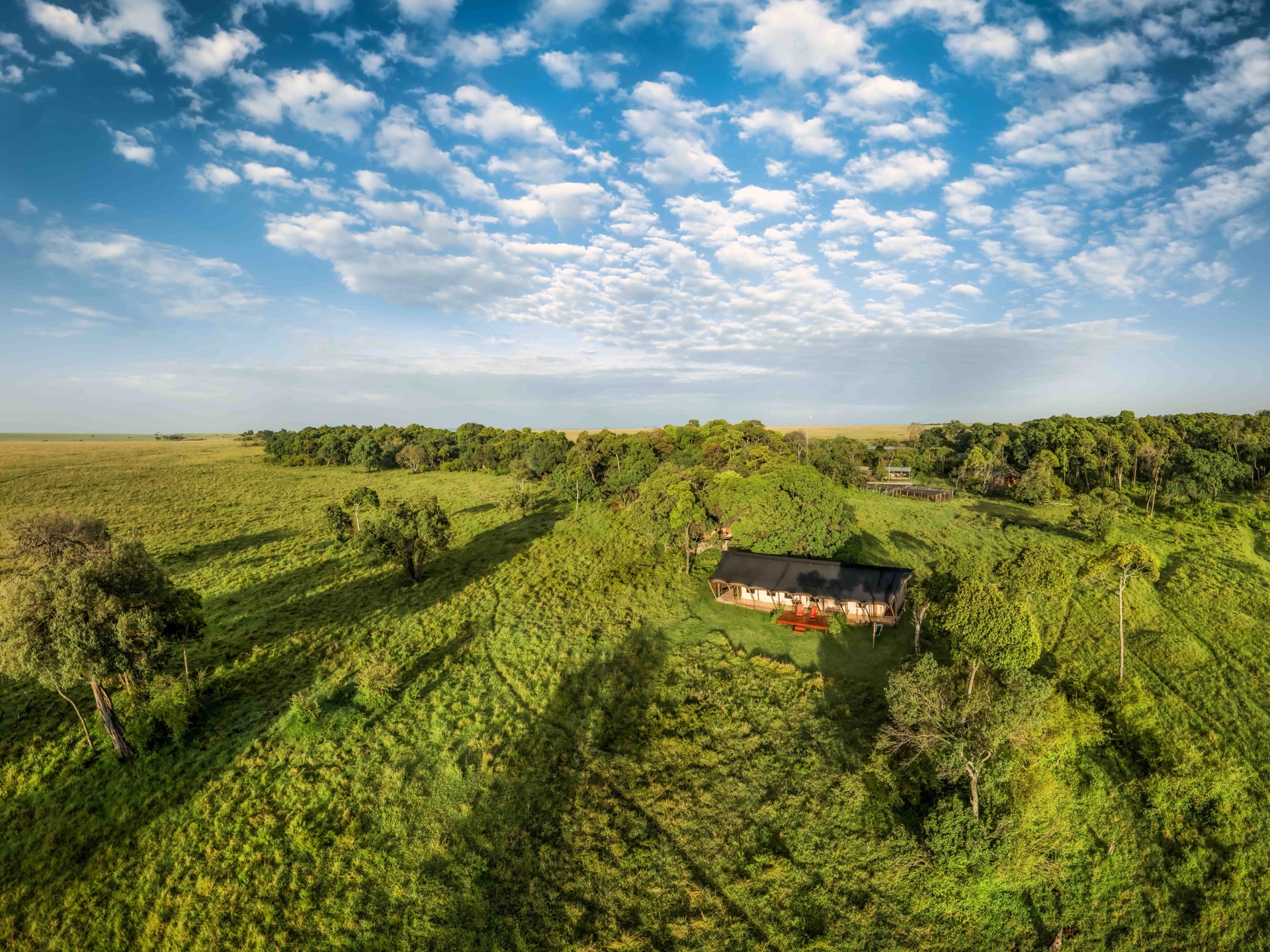
Private aviation
Logistics when it recovers a day. Theatre when it flies the scheduled route forty minutes earlier. The test is in hours, not money.
Which is which
No cheaper substitute
Two things at the very top have no partial version: genuine remoteness at scale, and a guide of the very first rank for the whole trip.
The two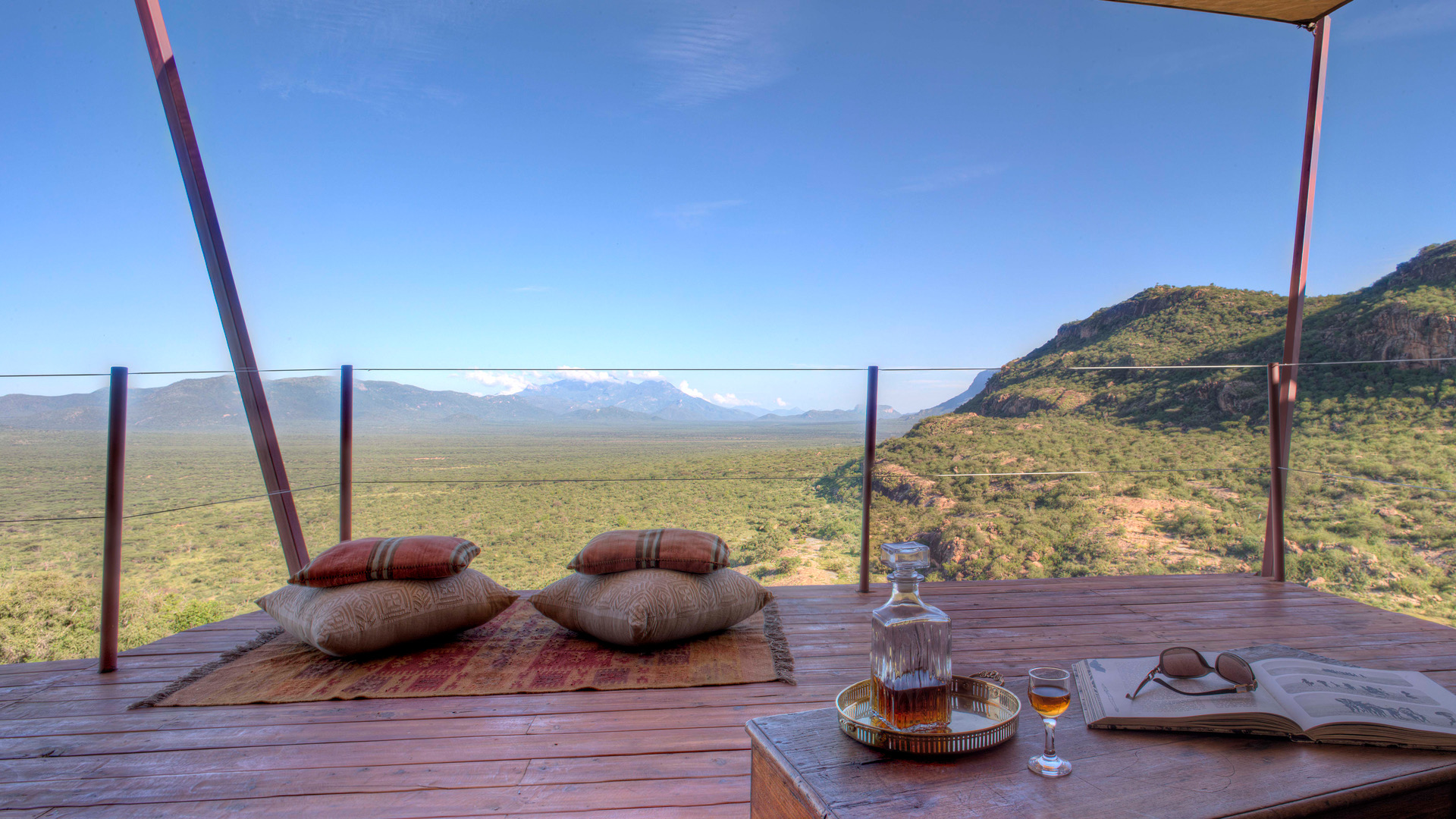
Spending it well
Fewer places, longer stays, a private vehicle throughout, one exceptional guide, and charters only where they buy back a day.
The good version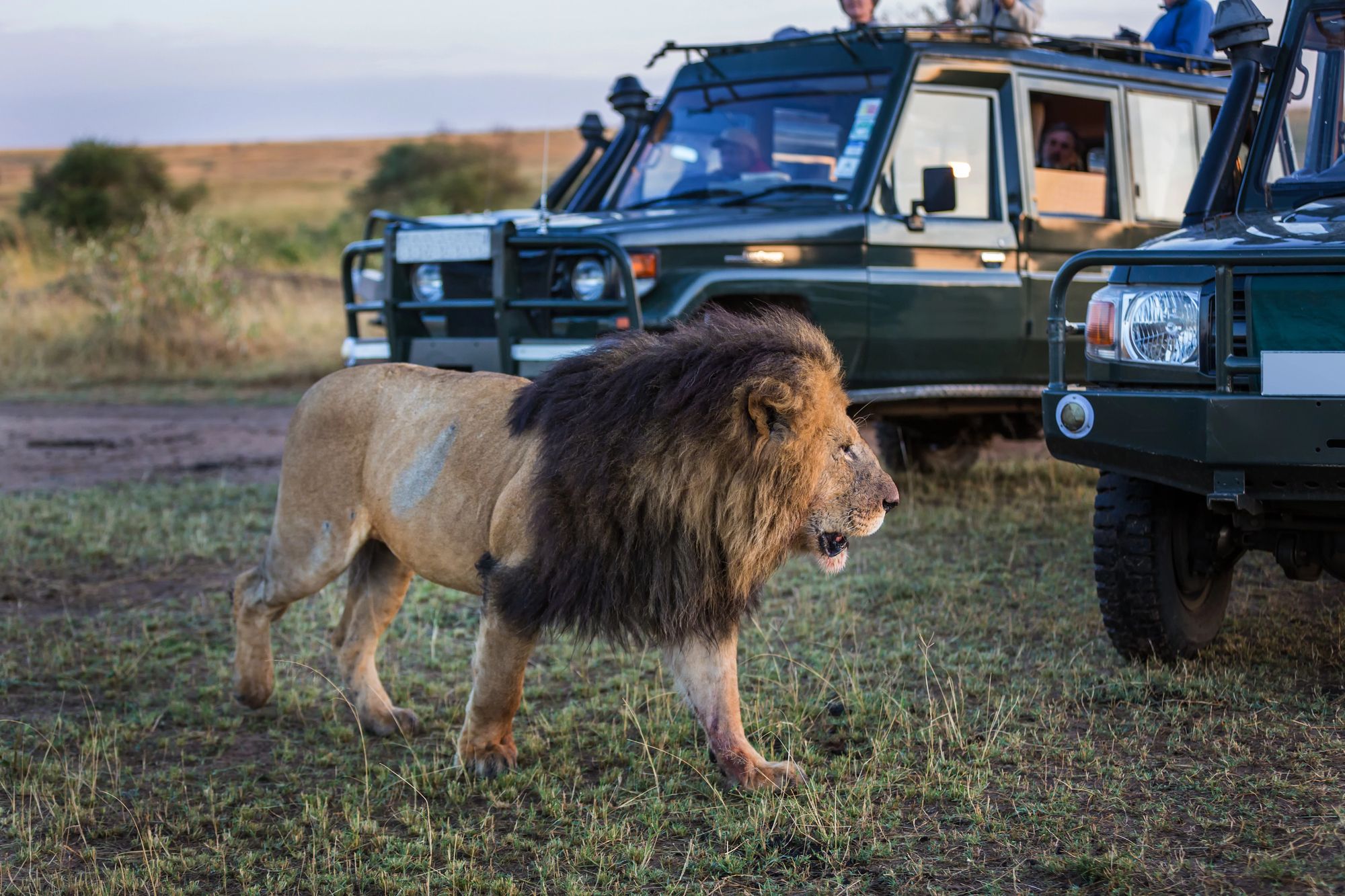
Spending it badly
Six places in fourteen nights, all top band, two nights each so nothing is ever the second morning. Costs more; worse trip.
The bad versionThe uncomfortable bit
A $4,000 trip does not see more than a well-built $1,800 one
It sees the same things in greater comfort, with less friction, on a schedule that is entirely yours. That is worth a lot to some people and almost nothing to others, and it is worth knowing which you are before you spend.
The things that decide what you see are the land, the vehicle, the guide and how many mornings you get in one place. Every one of them is in hand by the conservancy and owner-run bands, and none of them improves further by spending more.
We would rather say this on a site whose name is Elite Safari Africa than have you find out on day nine.
- Land that permits off-road, night drives and walking: conservancy band
- A private vehicle: a supplement available at almost any level
- An excellent guide: owner-run band; a travelling guide, the one above
- Three nights per camp instead of two: one night’s rate, available to everybody
Free download
Where The Curve Flattens
The band-by-band answer to what more money adds — including the point at which it stops adding wildlife and starts adding hospitality.
- The question nobody publishes
- What each band adds
- Where the wildlife advantages stop
- What the money buys after that
- Private aviation: logistics or theatre
- The two things with no cheaper substitute
- How to spend a large budget well
- How to spend a large budget badly
No cost, no obligation. We ask for an email so we can send it and, if you want it, follow up once.
Before you ask
Questions about the top of the market
Is the most expensive camp the best camp?
For hospitality, often. For wildlife, not reliably. The nightly rate correlates strongly with the food, the interiors, the staff ratio and the size of the tent, and only loosely with the land, the guiding and the vehicle arrangement.
A camp at $1,800 on a capped conservancy with a private vehicle will frequently out-perform a camp at $3,500 on public land with a shared one. The rate does not tell you which you are looking at.
Is a private charter worth it?
When it recovers a day, yes, straightforwardly — a hub connection or an overnight in a city removed is the most defensible luxury purchase in African travel.
When it flies the same route the scheduled circuit flies, forty minutes earlier, it is a purchase of the experience rather than of time. Both are legitimate; they are just not the same thing, and the test is to ask what the scheduled alternative costs in hours.
We have a large budget. What should we do with it?
Fewer places and longer stays, a private vehicle throughout, one exceptional guide for the whole trip, land that permits everything, and charters only where they buy back a day.
The commonest expensive mistake is the reverse: six places in fourteen nights, every camp in the top band, two nights in each so that nothing is ever the second morning. It costs more and it is a worse safari.
What genuinely cannot be bought more cheaply?
Two things. Genuine remoteness at scale — a private concession or a mobile camp somewhere nobody else is — because either the area is leased to one operator or it is not.
And a guide of the very first rank for the whole trip. There are not many, they are booked a year ahead, and there is no partial version of one.
Who actually arranges my safari?
This site is a planning guide. When you send an enquiry it goes to Nomad Africa, our partner travel agency in Kenya, who prepare your itinerary and quote and handle the booking, the payments and you on the ground.
You deal with one team from the first email to the airport transfer home.
Start planning
Tell us the budget and we will tell you where it stops paying
Including, where it applies, that the number you have in mind is higher than the trip needs — and what the same money does if it is spent on fewer places and more nights instead.
Our Africa specialist replies within 24 hours with what your budget buys, what the next band would add, and whether it is worth it.
- What your budget buys, itemised rather than bundled
- What the next band up would genuinely add
- An honest note where more money would not improve the trip
- No deposit to see a plan, and no obligation at any point
Who answers
Nomad Africa, our partner travel agency in Nairobi, builds and prices every itinerary we send. You deal with one team, on the ground, for the whole trip.
Founded in 2017 as East Africa’s only dedicated travel magazine, Nomad still publishes — so the people planning your trip are the ones who write about these places for a living.
Get your tailored itinerary and quote
Our Africa specialist replies within 24 hours with a costed plan built around your dates.
More from our Africa guides
Specialist guides across our Africa network
Each of these is a focused guide we publish. Same Africa specialist behind every enquiry.